
When your dog isn’t feeling well, a physical exam is only one piece of the puzzle. Veterinary diagnostic imaging allows your veterinarian to look inside your dog’s body to identify injuries, illnesses, and hidden conditions that cannot be detected during a routine exam alone.
At American Veterinary Medical Association, diagnostic imaging is considered one of the most important tools in modern veterinary medicine because it helps veterinarians diagnose conditions quickly and accurately while guiding treatment decisions.
What Is Diagnostic Imaging for Dogs?
Diagnostic imaging includes technologies such as:
- Digital X-rays (radiographs)
- Ultrasound
- MRI (Magnetic Resonance Imaging)
- CT scans (Computed Tomography)
These tools help veterinarians evaluate your dog’s bones, organs, soft tissues, and internal systems.
Think of it like this: an x-ray may show that something abnormal is present, while an ultrasound allows your veterinarian to examine that area in greater detail. Together, these imaging tools provide a clearer understanding of what’s happening inside your dog’s body.
What conditions or symptoms might warrant diagnostic imaging for my dog?
Persistent Vomiting or Diarrhea
Severe or ongoing gastrointestinal symptoms may indicate:
- Intestinal blockages
- Foreign body ingestion
- Pancreatitis
- Cancer
- Gastrointestinal disease
Distended Abdomen
A swollen abdomen can sometimes signal serious emergencies such as:
- Gastric Dilatation-Volvulus (GDV/bloat)
- Internal bleeding
- Enlarged organs
- Splenic masses
Pain, Limping, or Swelling
Imaging can help diagnose:
- Broken bones
- Torn ligaments
- Arthritis
- Abscesses
- Soft tissue injuries
Coughing or Breathing Problems
Chest x-rays and ultrasound may identify:
- Pneumonia
- Heart disease
- Collapsing trachea
- Lung abnormalities
Urinary Problems
If your dog has recurrent urinary tract symptoms, imaging can help detect:
- Bladder stones
- Urinary obstructions
- Structural abnormalities
Preventive and Screening Purposes
Routine imaging may be recommended for:
- OFA evaluations
- Annual dental procedures
- Monitoring chronic conditions
Pregnancy Confirmation and Monitoring
Imaging can help confirm pregnancy, estimate litter size, and monitor fetal development.
Types of Veterinary Imaging for Dogs
Dog X-Rays
X-rays are one of the most common veterinary diagnostic tools. They create 2D images that help veterinarians evaluate:
- Bones and joints
- The chest and lungs
- Abdominal organs
- Foreign objects
- Bladder stones
X-rays are especially useful for detecting fractures, arthritis, pneumonia, and swallowed objects.
Dog Ultrasound
Ultrasound uses sound waves to create real-time images of internal organs and tissues.
Veterinary ultrasound is commonly used to examine:
- The liver
- Spleen
- Kidneys
- Intestines
- Bladder
- Heart
Ultrasound can provide additional detail when abnormalities are seen on x-rays.
MRI & CT Scans for Dogs
Advanced imaging such as MRI and CT scans may be recommended for:
- Neurological conditions
- Complex fractures
- Certain cancers
- Surgical planning
These tools provide highly detailed images of internal structures.
X-Rays vs. Ultrasound: Which Is Better?
The answer depends on the condition being investigated.
X-Rays Are Excellent For: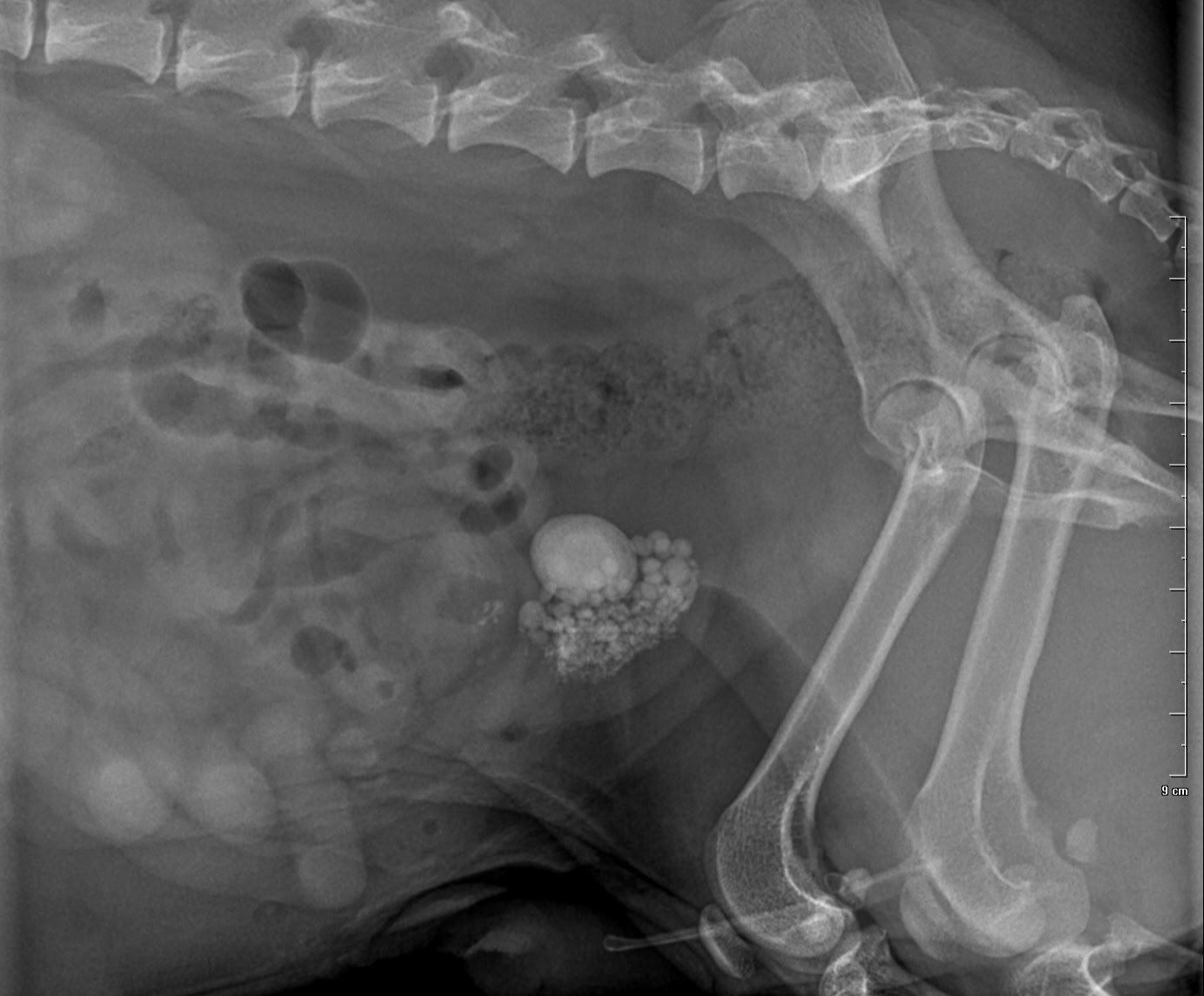
- Broken bones
- Arthritis
- Bladder stones
- Foreign objects
- Heart enlargement
- Lung disease
Ultrasound Is Excellent For:
- Liver evaluation
- Spleen abnormalities
- Pancreatitis
- Intestinal disease
- Pregnancy assessment
- Soft tissue masses
In many cases, veterinarians use both technologies together.
X-rays provide a two-dimensional overview of structures, while ultrasound allows veterinarians to examine tissues and organs in greater detail. For example, X-rays may show abnormal intestinal loops, while ultrasound can reveal changes within the intestinal wall itself.
Monitoring Chronic Conditions with Imaging
Diagnostic imaging is also essential for managing chronic diseases in dogs.
Examples include:
- Echocardiograms every 6 months for heart disease
- Follow-up X-rays for recurring bladder stones
- Annual dental x-rays during dental cleanings
Regular imaging allows veterinarians to monitor disease progression and adjust treatment plans as needed.
How Quickly Will I Get The Results of My Dog’s Diagnostic Imaging Tests?
In many cases, diagnostic imaging results are available the same day. Some findings may be discussed within minutes or hours after the procedure. More advanced studies or specialist reviews may require additional time.
Veterinary Diagnostic Imaging for Dogs
If your dog is experiencing pain, vomiting, coughing, limping, or unexplained symptoms, diagnostic imaging can provide critical answers quickly and safely.
From x-rays to ultrasound and advanced imaging, veterinary diagnostics help identify hidden conditions and guide the best possible care for your dog.
A physical examination provides valuable information, but it only tells part of the story.
If you have questions about dog diagnostic imaging, call us at (912) 525-0255, or drop us an email at [email protected] today.
Don't forget to follow us on social media: Facebook, Instagram.
Service FAQ
How Is Diagnostic Imaging Performed on Dogs?
Most dogs tolerate diagnostic imaging very well.
For standard X-rays and ultrasounds, dogs are typically positioned on their side or back while images are obtained. Many dogs can undergo imaging without sedation.
However, some dogs may require:
- Mild sedation
- Anti-anxiety medications
- Pain management medications
These medications help keep your dog comfortable and still, improving image quality and reducing stress.
Dental X-rays require general anesthesia because precise positioning inside the mouth is necessary.
Is Diagnostic Imaging Safe for Dogs?
Diagnostic imaging is considered very safe for dogs.
The risks associated with imaging are minimal and may include:
- Low levels of radiation exposure during X-rays
- Minor risks associated with ultrasound-guided needle aspirates
- Potential injury if a dog becomes stressed or struggles during positioning
For this reason, sedation may be recommended for some patients to ensure safety and comfort.
What Can Diagnostic Imaging Diagnose?
Diagnostic imaging can detect many conditions that may not be obvious during a physical exam, including:
- Tooth root abscesses
- Bone loss
- Cancer
- Pancreatitis
- Pneumonia
- Heart disease
- Foreign body obstructions
- Bladder stones
- Torn ligaments
- Hernias
- Arthritis
- Collapsing trachea
These tools help veterinarians diagnose conditions earlier and create more effective treatment plans.
Can Imaging Detect Cancer in Dogs?
Diagnostic imaging can make veterinarians highly suspicious of cancer by identifying masses, abnormal organs, or tissue changes.
However, imaging alone may not determine the exact type of cancer. In many cases, additional testing such as:
- Fine needle aspiration (FNA)
- Biopsy
- Surgery
may be recommended to confirm the diagnosis and determine the best treatment options.
How Should I Prepare My Dog for Diagnostic Imaging?
Your veterinarian may recommend:
- Fasting your dog for at least 8 hours
- Limiting food and water before sedation
- Bringing a list of symptoms and medications
Food and intestinal gas can interfere with image quality, especially during abdominal imaging.