
Snakebite Prevention and Treatment: Protecting Your Pets
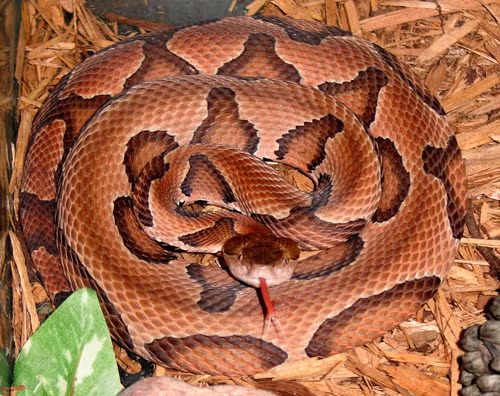
Snakebites are a serious and time-sensitive emergency for pets in the Lowcountry and Coastal Georgia. In the Savannah area, most envenomations seen in veterinary medicine are caused by pit vipers, including rattlesnakes and copperheads. Coral snake envenomation is extremely rare in this region.
This guide is designed to help pet owners understand local snake risks, how to prevent snakebites, recognize symptoms, and know what to do if a bite occurs.
Dangerous Snakes in Savannah and Coastal Georgia
The most dangerous venomous snakes for pets in our area include:
- Eastern Diamondback Rattlesnake
- Timber Rattlesnake
- Hybrid Eastern Diamondback/Timber Rattlesnake
- Water Moccasin (Cottonmouth)
- Copperhead
- Coral Snake (rare in this region)
While coral snakes are venomous, they are extremely uncommon locally, and most pet envenomations involve pit vipers.
Snakebite Prevention
Protecting Dogs While Hiking in Georgia
Keep dogs on a leash at all times
- Even the most well-behaved dog can get curious about a rustling bush or a sunning snake. Keeping your dog on a leash gives you control and prevents sudden encounters that could lead to bites.
Stay on marked trails
- Snakes often hide in areas less traveled, like thick underbrush or overgrown paths. Staying on marked trails reduces the chance of an accidental encounter for both you and your pet.
Avoid Risky Areas
- Snakes tend to seek shelter in debris piles, tall grass, woodpiles, and rocky areas. While hiking, steer clear of these spots whenever possible. Bodies of water, such as small ponds or creek edges, can also attract snakes, so keep pets at a safe distance.
Keeping Snakes Out of Your Yard
Your home should be a safe haven. Reducing snake-friendly environments around your property can significantly lower the risk of bites.
- Remove debris piles and log piles: Snakes love to hide in cool, shaded areas. Clearing these out makes your yard less appealing.
- Control rodents: Mice and rats are a major food source for snakes. Keeping rodent populations under control can naturally discourage snakes.
- Eliminate shelter areas: Snakes can sneak under sheds, along fence lines, or around foundation gaps. Sealing these spaces and trimming vegetation can make your yard less inviting.
Are Cats at Risk?
Yes. Cats, especially those with outdoor access in Chatham County and surrounding coastal areas, are vulnerable to snake bites. Cats' curious nature and hunting instincts can put them in close proximity to snakes, so it's important to supervise outdoor time or provide secure, snake-free spaces.
When Are Snakebites Most Common?
In Georgia, snake activity varies throughout the year, but bites can happen any time pets are outdoors. Understanding when snakes are most active can help you take extra precautions:
- Spring: This is mating season for many snake species, which increases their movement and the likelihood of encounters.
- Fall: Another mating season peak, so snakes may be more active and visible.
- Summer: Even outside mating seasons, snakes are active during warm months, meaning the risk is present whenever temperatures are high.
Being aware of these seasonal patterns can help you plan hikes, yard time, and other outdoor activities for your pets more safely.
Symptoms of Snakebite
In Dogs
Snakebites in dogs are often noticeable and urgent. Common signs include:
- Sudden pain at the bite site
- Swelling around the affected area
- Bleeding from puncture wounds
If your dog shows any of these symptoms after time outdoors, seek veterinary care immediately. Time is critical in treating venomous bites.
In Cats
Snakebites in cats can be trickier to detect because bites may not always be witnessed. Look for signs such as:
- Sudden, severe swelling (edema), often affecting a paw or limb
- Visible wounds or punctures on legs
- Rapid onset of pain, inflammation, or unusual behavior in outdoor-access cats
Even a small bite can be dangerous for cats, so prompt veterinary attention is essential.
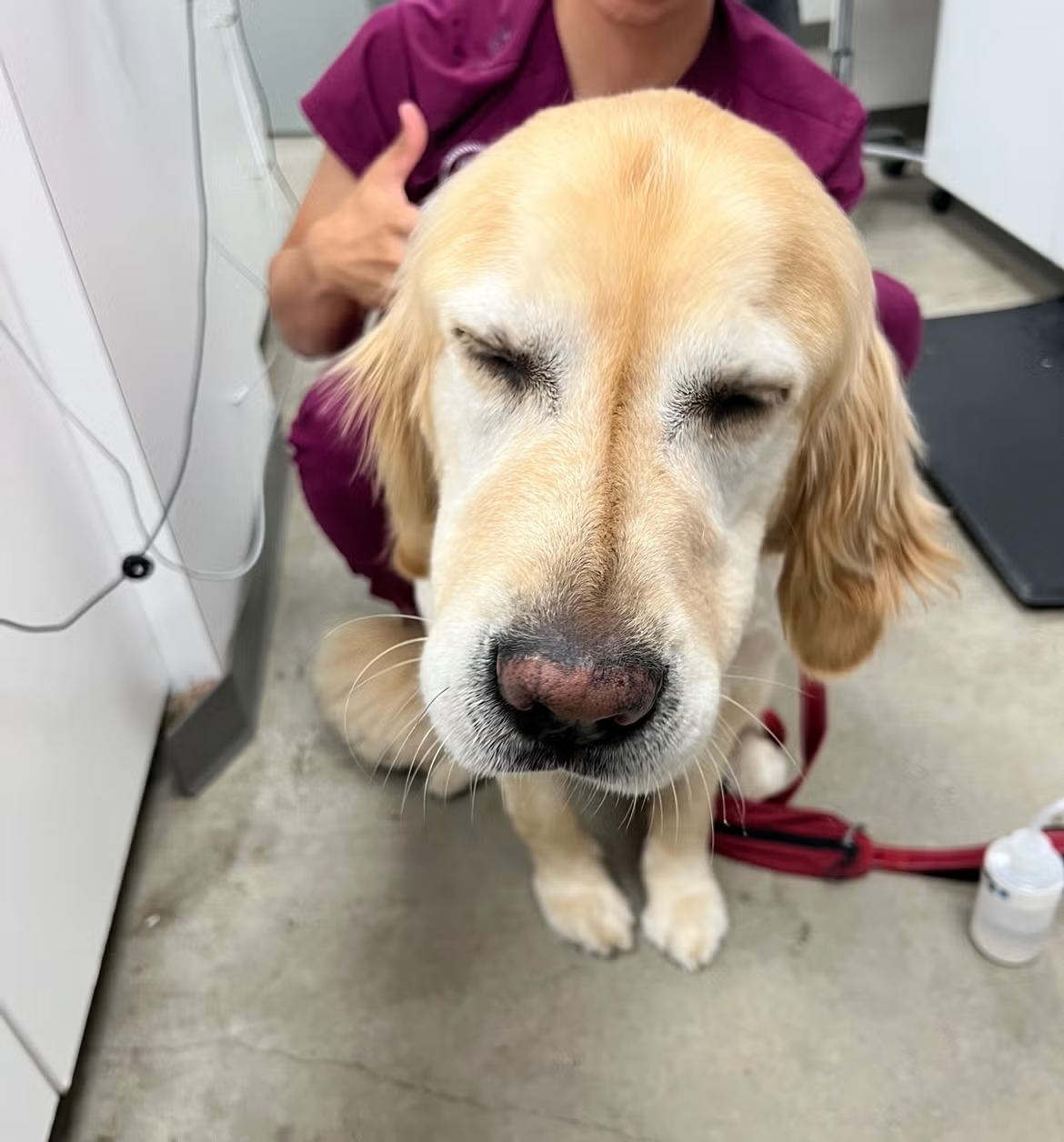
First Aid: What to Do (and NOT Do) if Your Pet Is Bitten
Snakebites are always a medical emergency. Quick, decisive action can make the difference between a full recovery and serious complications.
If Your Pet Is Bitten
- Act immediately. In Savannah, Chatham County, and surrounding areas, your pet should be taken to Port City Animal Hospital or any emergency/urgent care facility that carries antivenin without delay. Port City Animal Hospital is equipped with antivenin and trained in snakebite management for both dogs and cats. Early antivenin administration significantly improves outcomes and reduces long-term complications.
Do NOT:
- Suck out the venom
- Apply a tourniquet
- Wait to see if symptoms worsen
Delaying care significantly increases the risk of severe tissue damage, systemic effects, or worse.
Veterinary Treatment for Snakebites
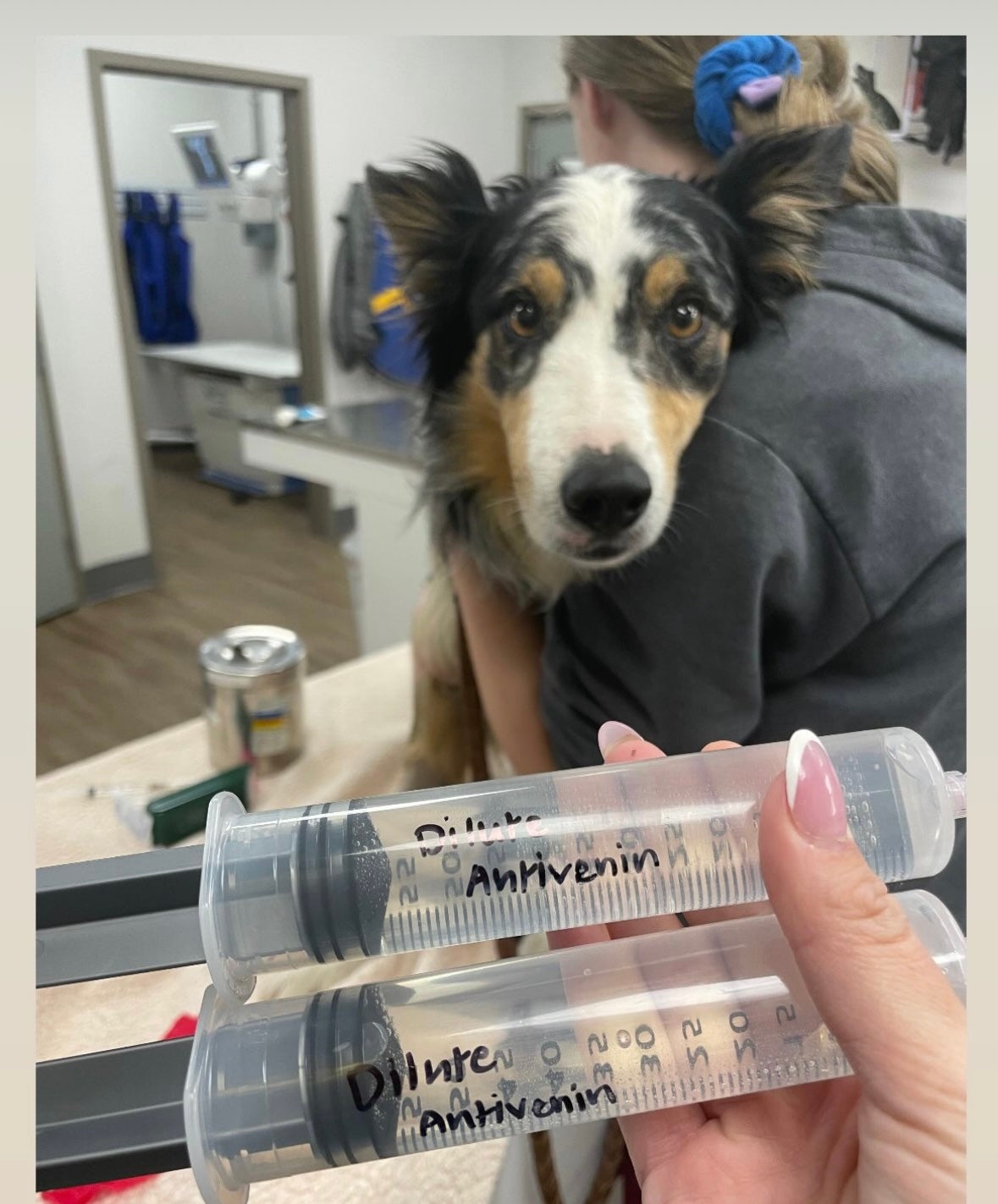
When your pet arrives at a veterinary clinic, emergency treatment is tailored to the severity of the bite and may include:
- Pain management to keep your pet comfortable
- IV fluids to support circulation and hydration
- Antivenin to counteract venom effects
- Photobiomodulation therapy to reduce inflammation and aid healing
- Hospitalization for monitoring and supportive care
- Symptomatic treatment for nausea, swelling, or systemic effects
- Wound care to prevent infection and promote recovery
Recovery & Prognosis: What to Expect After a Snakebite
What Is the Success Rate?
Recovery from a snakebite depends on several factors:
- Time to treatment — the sooner your pet receives veterinary care, the better the outcome.
- Amount of venom injected — larger envenomations can be more serious.
- Bite location — bites on sensitive areas like the face or limbs may require more intensive care.
- Pet size and overall health — younger, healthier pets often recover more quickly.
Early treatment is critical to ensure a full recovery and long-term quality of life for your pet.
Typical Recovery Time
- Most pets are hospitalized for monitoring.
- In uncomplicated cases, pets can go home within 24 hours.
Long-Term Effects
- The majority of pets recover fully with proper treatment.
- Possible complications include:
- Tissue necrosis, which is more likely if antivenin is not administered promptly
- Delayed serum sickness, which may appear 1–2 weeks after treatment
Administering antivenin early significantly reduces tissue damage and improves outcomes.
Aftercare at Home
Aftercare recommendations vary depending on the bite, but typically include:
- Pain management
- Wound care to prevent infection
- Activity restriction to avoid stress on the bite site
- Monitoring for swelling, unusual behaviors, or other complications
By following your veterinarian's instructions carefully, you can help your pet recover safely at home.
Local Savannah & Georgia Information
Are Snakebites Common in the Lowcountry?
Yes! Snakebites are a known and recurring emergency in Savannah, Chatham County, and surrounding Georgia areas. Outdoor pets are at the highest risk during warm months and mating seasons.
Average Cost of Treatment
Costs vary based on severity and treatment level, but typical cases at Port City Animal Hospital range from $1,500–$3,000.
Is Snakebite Treatment Covered by Pet Insurance?
In most cases, yes. Many pet insurance providers cover snakebite treatment, making prompt care more accessible.
Why Choose Port City Animal Hospital?
Port City Animal Hospital is:
- Fully prepared for snakebite emergencies
- Equipped with antivenin for use in both dogs and cats
- Our veterinarians are experienced in pit viper envenomation care
- Committed to fast, effective, and compassionate emergency treatment
When every minute counts, experience and preparation can save your pet's life.
Frequently Asked Questions About Snakebites in Pets
- Approximately 5–6 cases per year at our hospital alone, with multiple other veterinary hospitals in the Savannah area also treating bites.
- The majority are venomous. Owners often do not see the snake, but rapid facial swelling, pain, and puncture marks are highly consistent with venomous bites.
- Snakebites occur year-round, but are most common in summer months.
- Snakes often hide in bushes, shrubs, dense vegetation, and near water. Bites often happen when pets are outside exploring.
- Most bites occur on the nose and face, especially in dogs sniffing around grass or debris.
- Sudden yelp or cry
- Rapid swelling at the bite site (often within 1 hour)
- Pain or unusual behavior
- Possible fang puncture marks (may or may not be visible)
- Copperheads are the most frequent, though rattlesnake bites also occur. Rattlesnake bites are much more likely to be lethal.
- Typically not, with early and aggressive veterinary care. However, they can be fatal if not treated promptly or in cases of multiple envenomations.
- Treatment varies by case, but early antivenin administration improves outcomes and reduces overall cost.
- If safe, circle the swollen area with a marker to track swelling progression
- Keep your pet calm and restrict movement
- Transport immediately to a veterinary facility
DO NOT:
- Suck or squeeze venom from the wound
- Apply warm or cold compresses
- Attempt to catch the snake
Additional Resources for Snakebite Support & Education
- National Snakebite Support
- Florida Snake Identification Group
- Snake Identification: Discussion & Resources
- Pit Viper Envenomation Treatment Guide
Emergency Reminder
If you suspect your pet has been bitten by a snake: Do not wait. Do not treat at home. Seek immediate veterinary care.
At Port City Animal Hospital in Savannah, GA, we are fully prepared for snakebite emergencies. If your pet is bitten, call us immediately at (912) 525-0255. Every minute matters when it comes to snakebite emergencies.