
AT-HOME PET CARE
Port City Animal Hospital - Savannah, GA
Simple Tips for Ear Cleaning, Baths, and Nail Trims
A little routine care can help keep your pet comfortable and healthy. Every pet is different, so follow your veterinary team's recommendations—especially if your pet has allergies, skin or ear problems, mobility concerns, or anxiety during grooming.
1. Ear Cleaning
Clean ears only when needed or when your veterinary team recommends it. Over-cleaning can irritate the ear canal.
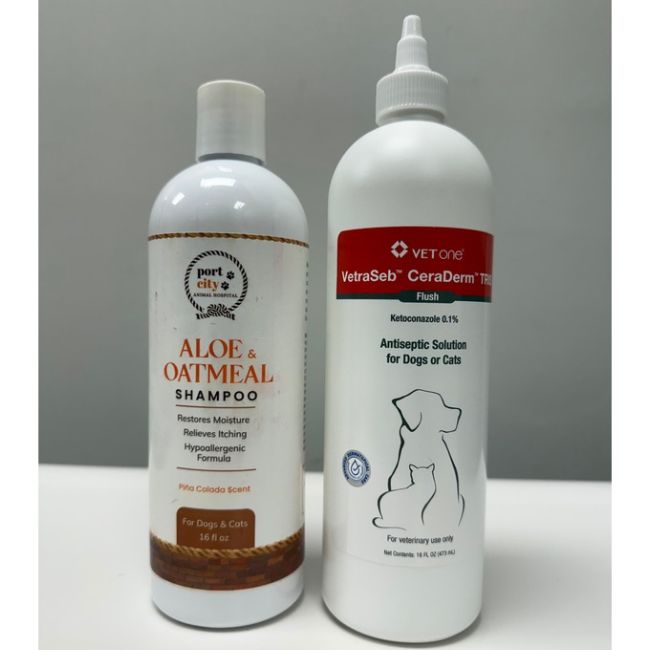
Use a veterinary-approved ear-cleaning solution recommended for your pet. Avoid alcohol, hydrogen peroxide, vinegar mixtures, and other home remedies unless your veterinarian specifically directs you to use them.
- Lift the ear flap and gently fill the ear canal opening with the cleaner according to the product directions. Do not force the bottle tip deep into the ear.
- Massage the base of the ear for about 20–30 seconds, if your pet is comfortable. You may hear a soft squishing sound.
- Allow your pet to shake their head. Gently wipe away loosened debris from the visible outer ear with cotton or gauze. (Pro tip: do this outside so that debris doesn’t fly everywhere!)
Helpful Reminders:
- Never put cotton swabs (Q-tips) down the ear canal. They can push debris farther in or injure the ear.
- Use a separate piece of cotton or gauze for each ear.
- If your pet resists, seems painful, or becomes distressed, stop rather than forcing the cleaning.
WHEN TO CHECK WITH YOUR VETERINARIAN: If you notice redness, swelling, a strong odor, discharge, frequent head shaking, or persistent scratching, contact your veterinary team. Do not clean an ear that appears painful or infected unless your veterinarian advises you to.
2. Baths
Bathing can help remove dirt, allergens, and odors, but the right schedule or frequency depends on your pet's coat, skin, lifestyle, and any medical conditions.
- Brush your pet before the bath to loosen dirt and remove tangles. Mats can become tighter when wet.
- Use lukewarm water and a shampoo made specifically for pets. Use medicated shampoo only as directed by your veterinary team, including any required contact time.
- Wet the coat thoroughly, avoiding direct streams of water in the eyes, nose, and ears. Gently lather the shampoo as directed.
- Rinse thoroughly until the water runs clear and no slippery residue remains. Leftover shampoo can irritate the skin.
- Towel-dry your pet. If using a blow dryer, use a cool or low-heat setting, keep it moving, and avoid the face and ears.
Helpful Reminders:
- Do not use human shampoo, dish soap, or essential oils unless your veterinarian has specifically recommended a product.
- Keep your pet warm and always supervise them around tubs, sinks, and standing water.
- Brush between baths to help maintain the coat and reduce tangles.
WHEN TO CHECK WITH YOUR VETERINARIAN: Stop the bath if your pet is struggling, having trouble breathing, or becoming overly stressed. Contact your veterinarian if you notice persistent itching, redness, sores, or unusual hair loss.
3. Nail Trims
Regular nail trims help prevent overgrowth, splitting, discomfort, and changes in the way your pet walks. How often nails need trimming varies by pet.
- Choose pet nail clippers or a pet-safe nail grinder that is the right size for your pet.
- Hold the paw gently and separate the toes so you can see each nail. If your pet is uncomfortable, work on one paw—or just a few nails—at a time.
- Identify the quick- the blood vessel and nerve inside the nail. On light-colored nails, it often appears pink. On dark nails, it may not be visible.
- Trim only a small amount from the tip at a time, avoiding the quick. With dark nails, take very small slices and stop if you see a dark center or a more prominent pink circle, or become unsure.
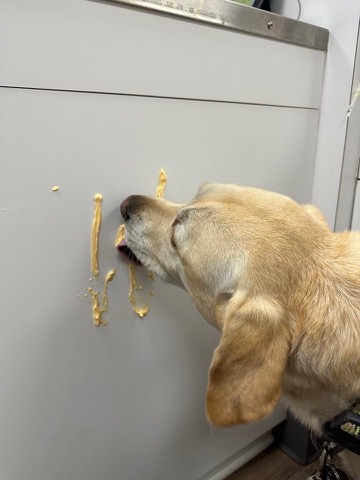
- Reward your pet with praise and a treat! Take breaks and keep the experience calm and positive. With some pets, lick mats that you can spread cheese or peanut butter on can help to keep them distracted during their nail trim!
Helpful Reminders:
- Keep styptic powder nearby in case a nail is accidentally nicked.
- Do not force a trim if your pet is fearful, painful, or struggling. A veterinary professional or groomer can help.
- Remember the dewclaws, if your pet has them; they may not wear down naturally.
WHEN TO CHECK WITH YOUR VETERINARIAN: If a nail is bleeding and does not stop with gentle pressure and styptic powder, or if your pet is limping or has a damaged nail, contact your veterinary team.